If your hips feel stiff when you stand up, your shoulders complain after sleep, or your knees, feet or back have started aching for no obvious reason, you are not imagining it. For many women, joint and muscle discomfort is one of the more surprising changes of perimenopause and menopause.
It can be unsettling when a body you know well begins responding differently. A familiar workout may take longer to recover from, while sitting still can leave you feeling creaky.
The good news is that movement remains one of the most useful tools available. The right mix can rebuild strength, restore confidence and help your body feel more dependable again.
Why joints and muscles can feel different during menopause
Muscle and joint pain is more commonly reported during the menopause transition. A recent systematic review of 37 observational studies, involving more than 93,000 women, found it was reported by 40% of premenopausal women, 57% of perimenopausal women and 59% of postmenopausal women.
Menopause is rarely the only factor, and there is no single explanation for every ache. What the research does show is that this experience is common and deserves a constructive response.
Hormonal change sits alongside normal ageing, sleep disruption, stress, previous injuries, changing activity and gradual muscle loss. These factors often overlap. A poor night’s sleep can make pain feel harder to manage, while an aching knee can make you less inclined to move.
That is why the strongest response is broader than simply stretching the sore place.
Why stretching alone may not be enough
Stretching can feel good, especially after long periods of sitting, but flexibility is only one part of comfortable movement. The body also needs enough strength to manage everyday demands and enough recovery to adapt to them.
A balanced approach has three complementary elements:
- Controlled resistance to maintain strength and help support muscles, bones and joints.
- Gentle mobility to explore comfortable movement without chasing an ideal range.
- Genuine recovery to make regular exercise more sustainable when sleep, stress or energy are unpredictable.
The encouraging part is that you do not need a perfect plan. A repeatable combination of resistance, mobility and recovery gives you a practical way to feel stronger, move more freely and stay active.
Strength: rebuilding from the centre out
From carrying shopping to climbing stairs and catching your balance, strength supports daily independence. Resistance exercise gives muscles a reason to keep adapting. The NHS also recommends weight-bearing and resistance work for bone health during menopause.
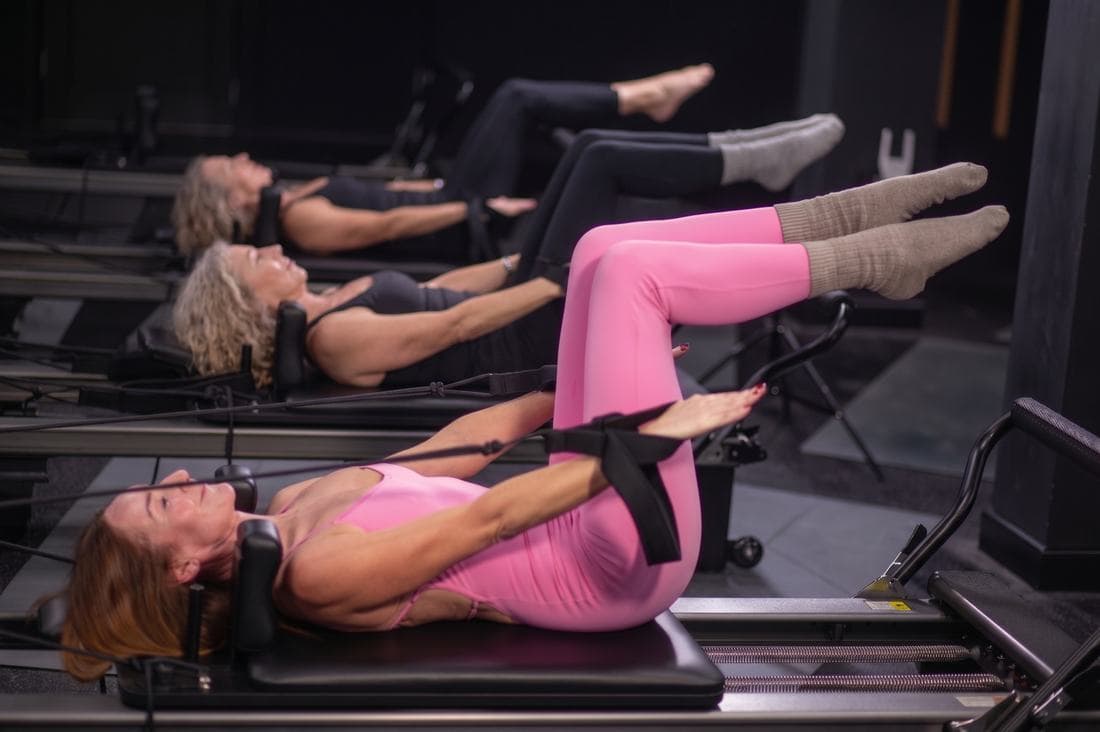
That resistance does not have to begin with heavy barbells or an intimidating gym plan. It can come from body weight, resistance bands, free weights, machines or a Pilates Reformer. The right starting point is the one that feels manageable while still asking the muscles to work.
Reformer Pilates can be approachable for beginners because the springs provide adjustable resistance. Exercises can be supported, progressed or scaled back, helping you practise coordination, balance and whole-body strength with control.
Reformer Pilates is a practical way to introduce controlled resistance, especially if you prefer guided movement to navigating the gym alone. You can start at the right level, learn good control and leave with a clear sense of what your body can do. Menopause in Motion brings Reformer strength, supported mobility and rest into one beginner-friendly afternoon.
Mobility: making space rather than forcing range
Mobility is not a competition to reach the floor or recreate a shape you made ten years ago. It is the ability to move through a useful range with a sense of control and enough comfort to breathe normally.
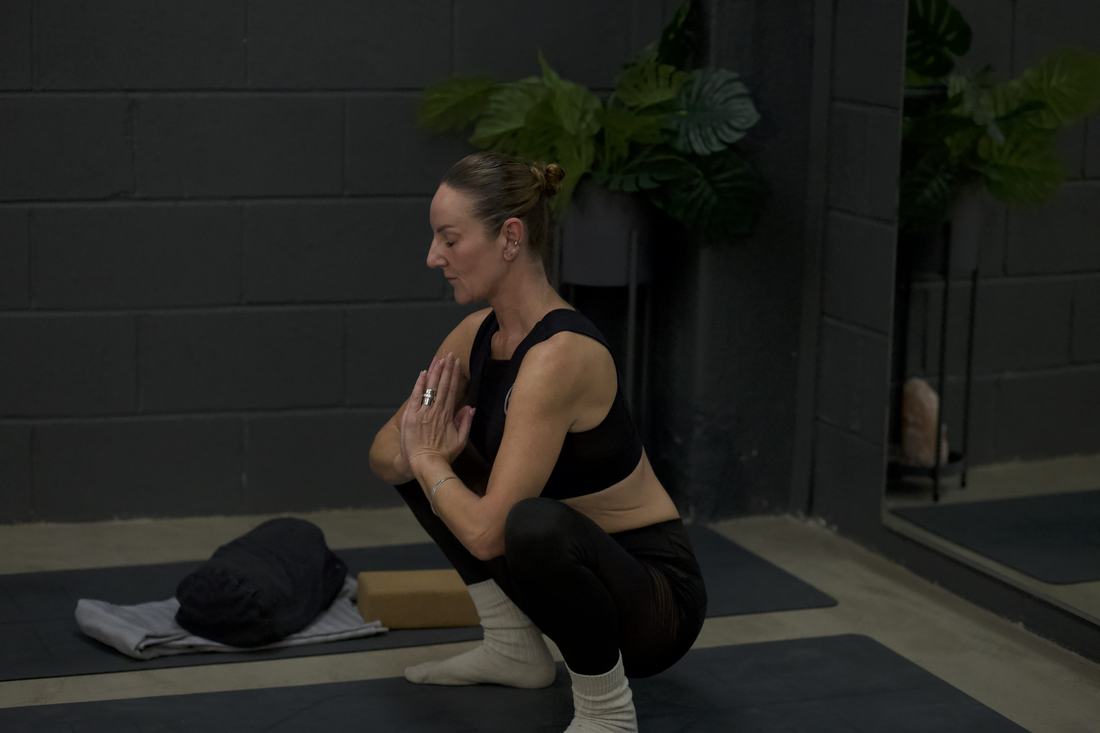
Slower practices give you time to notice where you brace or rush. In a Yin-style session, props support the body while postures are held for longer. The goal is simple: find an appropriate position, give it time and create more ease without forcing range.
That patient approach is valuable on stiff days. You can use a smaller range, more support or a shorter hold, then build from there. Mobility becomes a conversation with the body you have today, rather than a test you must pass.
Recovery: the missing part of many exercise plans
More is not always better. Training creates a demand; recovery is where the body gets the opportunity to respond to it. When sleep is disrupted or life feels unusually pressured, your capacity for exercise may change even if your motivation has not.
Recovery can be practical: spacing out demanding sessions, eating regularly, staying hydrated, taking an easier option when needed and building a workable sleep routine. It can also mean less noise and no pressure to perform.
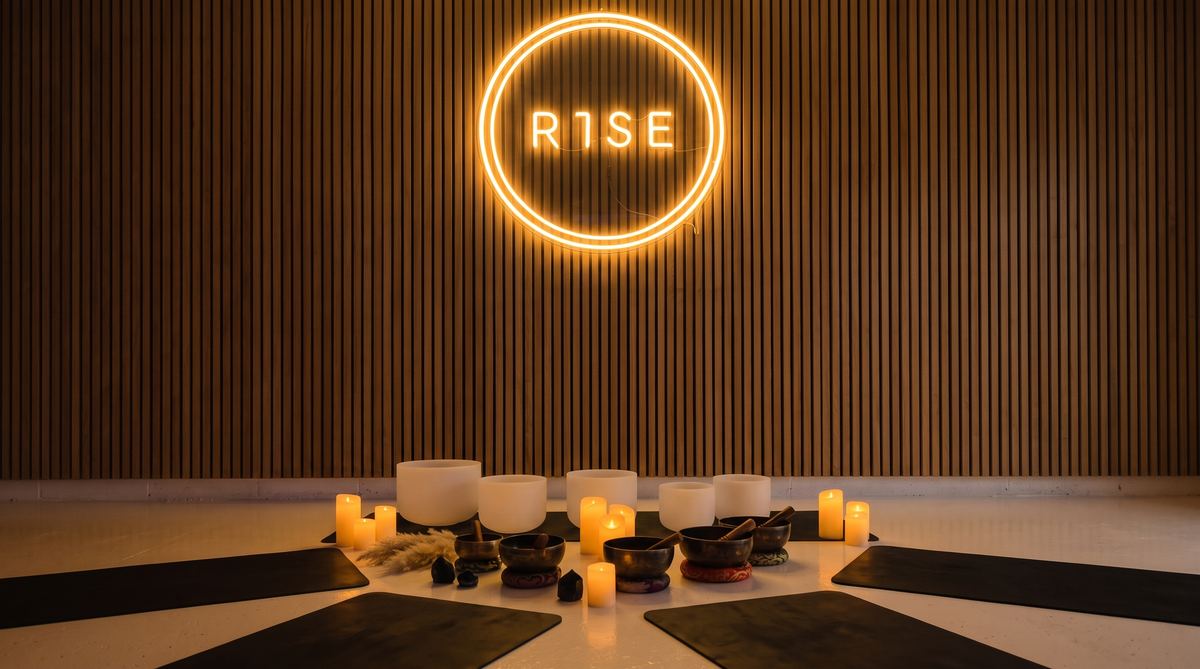
A sound bath provides that kind of supported pause. You lie down comfortably while layered sounds fill the room, with nothing to achieve and nowhere else to be. Its purpose is straightforward and valuable: protected time to rest and settle.
Recovery is not what you do when you have failed to train. It is part of the training plan.
A realistic movement mix
Your health, starting point and responsibilities all matter, but a strong weekly foundation is refreshingly simple: two strength sessions, regular walking or other weight-bearing activity, short periods of mobility and space to recover.
Consistency matters more than heroics. Begin below your maximum, notice how you feel later that day and the next morning, then build gradually. The best session is one that challenges you and leaves you ready to return.
Start this week with one change: book a beginner session, take a ten-minute walk or practise a few supported movements at home. You do not need to feel fit before you begin. Beginning is how you become stronger.
When joint pain needs checking
Not every new pain should be written off as menopause. Speak to your GP or an appropriate healthcare professional if pain is persistent, severe, worsening or interfering with normal activities. Pain following an injury, or pain accompanied by swelling, redness, heat or loss of function, also deserves proper assessment.
If you have a health condition, recent injury or symptoms that concern you, get individual advice before changing your exercise. Once serious causes have been ruled out, the focus can return to moving well and building capacity.
Menopause in Motion at R1SE Sheffield
R1SE has created Menopause in Motion, an afternoon that brings the three parts of this movement mix together. Gaynor Hague leads every session, with Jen assisting during Reformer, and no previous experience is required.
Throughout the afternoon, Gaynor will share short, practical explanations of why the body can change through menopause, what movement can do in response, and why Pilates and Yin are so useful for strength, mobility, balance and healthy ageing. You will understand the purpose behind the movements, not simply follow them.

- Reformer Pilates: controlled, adjustable strength
- Yin: slow, supported mobility
- Sound bath: time to rest and settle
Not a stage to get through. A stage to train for.
Event details
Saturday 24 October 2026
3pm to 6pm, with arrival from 2.45pm
R1SE Brook Place, 112 Napier Street, Sheffield, S11 8DL
Led by Gaynor Hague, with Jen assisting during Reformer
17 places
Includes all three sessions, equipment and tea
£65 for members and early bookings until 30 September
£75 from 1 October
Whether you are already active, returning after a break or completely new to structured exercise, this is your chance to experience the full movement mix in one supportive afternoon. Discover Menopause in Motion and book your place.