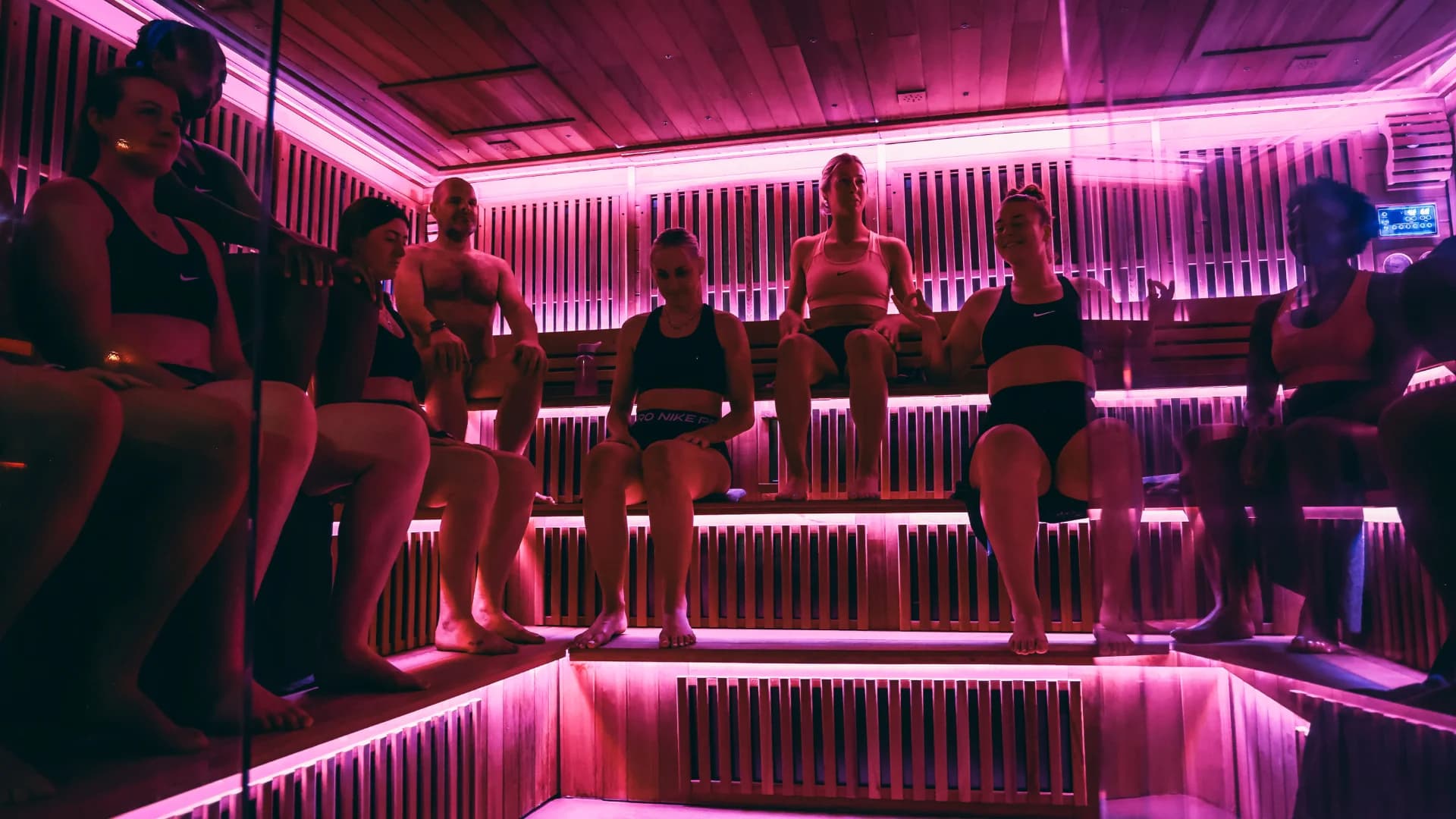
There is a moment in a good sauna session when the room changes.
The first few minutes might be full of practical chat. How hot is it? Is this your first time? Who is getting the next ladle of water? Then shoulders drop, phones are forgotten and the conversation becomes easier. Sometimes people talk. Sometimes nobody needs to.
A sauna is not just somewhere you go to get hot. It is somewhere you remember how to be with other people.
Finland has understood this for generations. The country has around 3.3 million saunas for a population of roughly 5.5 million. That is more saunas than passenger cars in active use. The important part is not the number, though. It is what those saunas mean.
In Finland, sauna is not treated only as a luxury, a spa add-on or a wellness trend. It is woven into ordinary life: homes, workplaces, public buildings, lakeside cabins and neighbourhoods. In 2020, UNESCO added Finnish sauna culture to its list of Intangible Cultural Heritage, recognising a living tradition that brings people together as much as it cleans and warms the body.
A room where status matters less
Sauna strips life back to the essentials. There is no desk, no stage and no head of the table. Nobody can hide behind a phone, an impressive outfit or a carefully prepared presentation.
Finnish president Urho Kekkonen captured the idea perfectly: “You don’t keep your politics up your sleeve when you are not wearing sleeves.”
The line is funny, but it points towards something real. When the usual signals of rank disappear, people often meet one another more directly. The boss and the new starter share the same heat. The experienced sauna-goer and the nervous beginner both listen to their bodies. Silence is allowed, and conversation does not have to perform.
This is one reason sauna has played a role in Finnish public life and diplomacy. Kekkonen used sauna meetings to build relationships with political leaders, including Soviet leader Nikita Khrushchev. Nobel Peace Prize winner Martti Ahtisaari also spoke about sauna as a place for building trust during his diplomatic work.
The sauna did not magically settle international disputes. It created a setting in which formality softened and people could speak person to person. That distinction matters.
The modern world is efficient, but not always connected
Most of us have more ways to contact one another than any generation before us. We can message from the supermarket, join a meeting from the car and reply to work before breakfast. Yet fast communication is not always meaningful connection.
Many of the informal places where people once spent unstructured time together have also become harder to find. Sociologists sometimes call them “third places”: welcoming spaces that are neither home nor work, where regular contact slowly turns strangers into familiar faces.
A shared sauna can be a powerful modern third place.
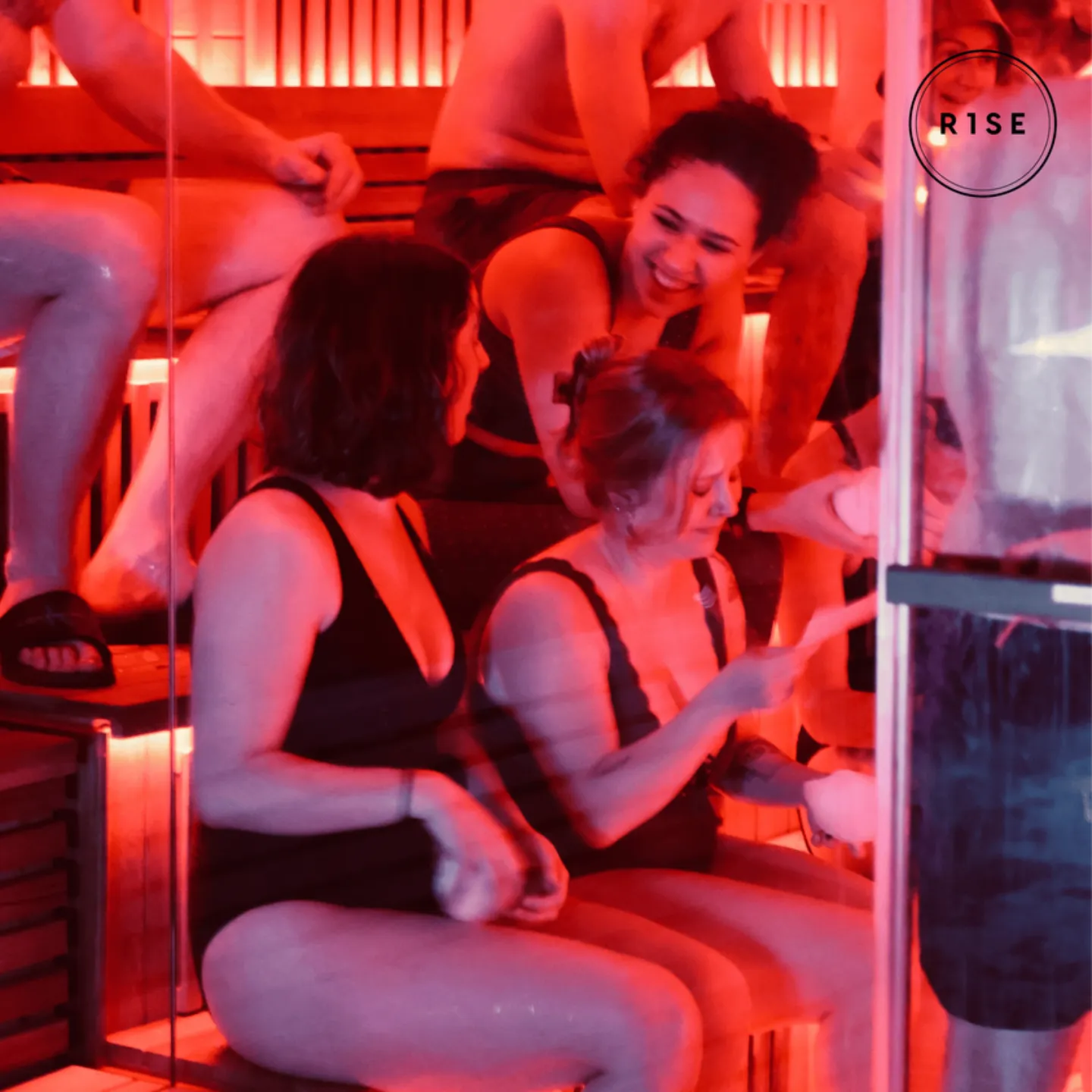
It gives people a reason to stop moving for a while. The experience is physical enough to hold your attention, but simple enough to leave room for conversation. You do not have to make eye contact constantly or fill every pause. You can arrive with a friend, sit beside someone you have never met or choose a quieter session and simply enjoy being around other people.
That low-pressure quality is part of the magic. Friendship is rarely built through one grand conversation. More often, it grows through repeated small moments: recognising someone, remembering a name, sharing a laugh and asking how their week went.
What 10,000 sauna and ice-bath experiences have shown us
At R1SE, more than 10,000 people have taken part in our sauna and ice-bath experiences, from complete beginners to professional athletes. The temperatures get attention, but the human moments are what stay with us.
We have watched strangers encourage each other before a first cold plunge. We have seen training partners talk properly once the workout is over. We have seen people arrive carrying the pace of a difficult day and leave calmer, brighter and more connected.
Cold water adds another layer. It creates a clear, shared challenge, but it should never become a competition. One person may stay in for a few breaths, another for longer. The win is listening to your own body, choosing the right level for you and discovering that you can meet discomfort without panic.
The sauna afterwards feels different because the group has done something together. There is relief, warmth, laughter and a natural opening for conversation. This rhythm is at the heart of Fire & Ice at R1SE: challenge and recovery, energy and calm, individual choice and shared experience.
Good sauna culture is something we create together
The best sauna culture is not complicated. It depends on a few thoughtful habits:
- Put the phone away and give yourself a genuine pause.
- Make room for both conversation and quiet.
- Welcome beginners without turning the experience into a test.
- Never compete over temperature or time.
- Ask before adding more water or changing the heat.
- Respect personal space and the atmosphere of the room.
- Hydrate, take breaks and leave immediately if you feel unwell.
These small choices turn a hot room into a shared space. They make it possible for someone to come alone without feeling isolated, and for a group to enjoy themselves without taking over the experience for everyone else.
They also protect the thing that makes sauna valuable: presence. The point is not to endure the most heat, document the session or optimise every second. The point is to be there.
Sheffield may not be Finland, but the need is universal
We are not trying to copy Finnish life or pretend that every sauna has the same traditions. We are learning from a culture that has protected something modern life often squeezes out: warm, unhurried time with other people.
That can matter in a city like Sheffield. It matters for the person working from home who misses everyday company. It matters for the athlete whose week is organised around performance. It matters for the parent who spends most of the day looking after everyone else, and for the beginner who wants to find a community without needing to be loud or confident.
You do not have to arrive with a profound topic or a group of friends. Come as you are. Sit, breathe, warm up and let the experience unfold. Some days the conversation will be memorable. Some days the silence will be exactly what you needed.
Either way, you leave having shared something real.
Come and experience it
If you have only thought of sauna as a place to sweat, it is time to see the bigger picture. Heat can be part of recovery, but sauna culture is also about belonging, ritual and the quality of the time we spend together.
Discover Fire & Ice at R1SE Sheffield, bring a friend or come by yourself. You may arrive for the heat and cold. You may return for the people.