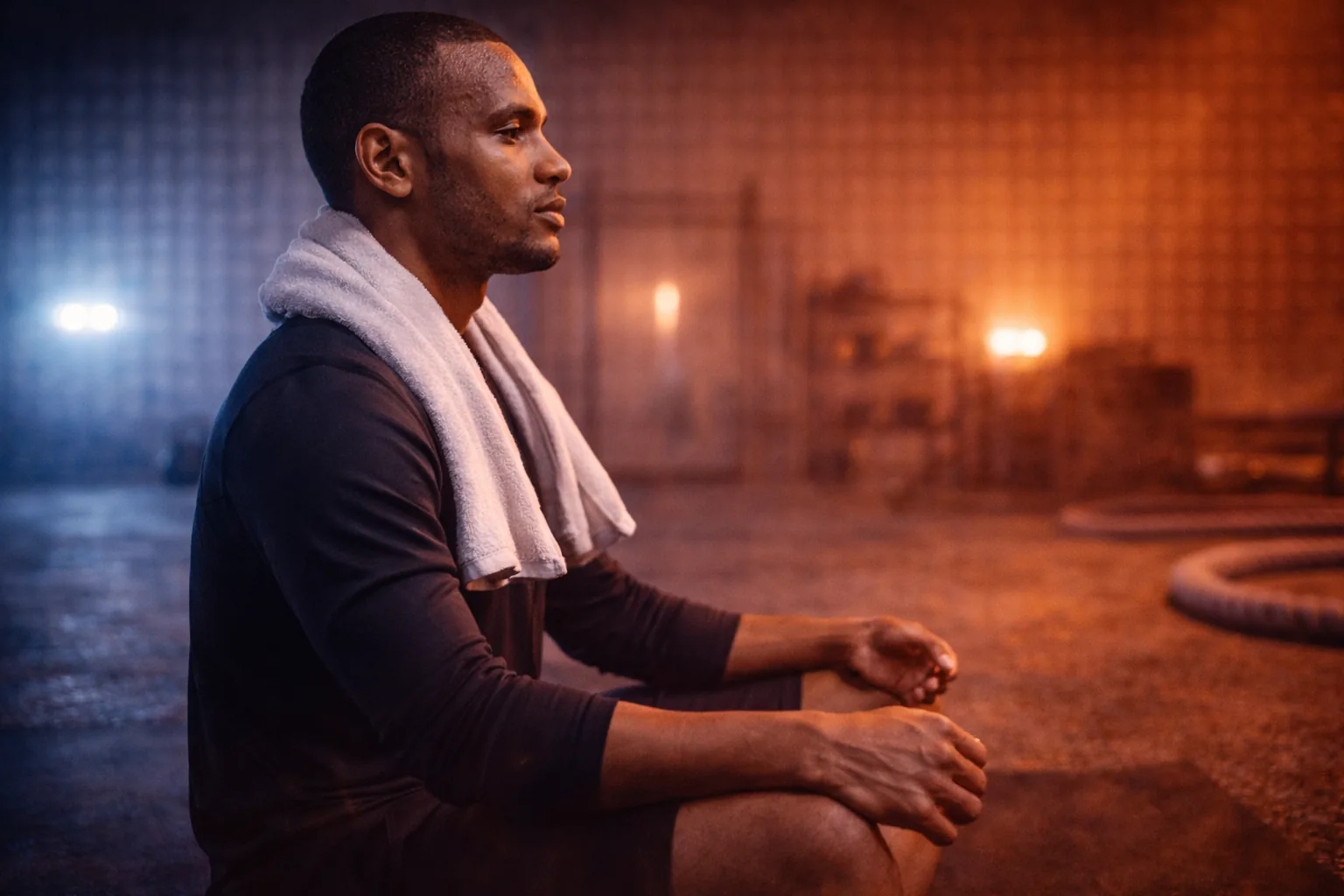
Burnout Recovery
You are not lazy. You are depleted. There is a difference.
Clinical burnout is not just being tired - it is a recognised occupational syndrome characterised by emotional exhaustion, depersonalisation, and a collapse of personal efficacy that makes even simple tasks feel impossible. An estimated 1 in 4 UK workers experience burnout, yet most try to push through rather than rebuild. At R1SE Sheffield, we combine Fire & Ice contrast therapy, HBOT, Red Light Therapy, Hot Yoga, and Reformer Pilates into a structured recovery protocol that addresses burnout at every level - nervous system, hormonal, cognitive, and physical - because burnout breaks you at every level, and recovery requires rebuilding at every level.
Burnout is physiologically distinct from stress. In burnout, the HPA axis (hypothalamic-pituitary-adrenal) shifts from cortisol overproduction to cortisol flatline - your stress response system literally burns out. This explains the exhaustion, emotional numbness, and cognitive impairment. Recovery requires recalibrating the entire autonomic and hormonal system: contrast therapy resets the sympathetic-parasympathetic balance, HBOT restores the cerebral oxygenation that burnout depletes, yoga teaches the nervous system to recover, and progressive exercise rebuilds the physical capacity that months of depletion have eroded. R1SE is not a quick fix - it is a systematic rebuild.
Your Multi-Therapy Plan
How R1SE Can Help
The Science
Evidence-based insights supporting our approach.
Burnout is a recognised occupational syndrome (WHO ICD-11) characterised by emotional exhaustion, depersonalisation, and reduced efficacy. An estimated 1 in 4 UK workers experience burnout, costing the UK economy 28 billion pounds annually (Deloitte/Mind, 2022).
Burnout shifts the HPA axis from cortisol overproduction (stress) to cortisol flatline (exhaustion). This explains the paradox of burnout - you feel simultaneously wired and exhausted, unable to rest but unable to perform (Chida & Steptoe, 2009, Psychoneuroendocrinology).
Cold exposure increases dopamine by 250% - sustained for hours. Dopamine is the neurotransmitter of motivation, drive, and reward, and it is chronically depleted in burnout. Regular cold plunge practice rebuilds dopaminergic tone over time.
A 2021 systematic review in Frontiers in Psychology found yoga reduced burnout symptoms by 30-50% across all three dimensions (exhaustion, depersonalisation, efficacy). The combination of breathwork, movement, and meditation addresses burnout more comprehensively than exercise alone.
Burnout increases inflammatory markers (CRP up 40%, IL-6 up 30%) to levels comparable to early cardiovascular disease. These markers independently predict cognitive impairment and fatigue - making anti-inflammatory therapies (Red Light, HBOT, contrast therapy) directly relevant.
Regular sauna use (4+ times per week) reduces depression risk by 77% and all-cause mortality by 40% - likely through the combination of heat shock protein activation, endorphin release, and autonomic nervous system regulation (Laukkanen et al., JAMA Internal Medicine).
Common Questions
Loading form...
You May Also Be Interested In
Ready to Start?
Whether you want to book a session, explore our recovery therapies, or speak to someone about a personalised plan - we are here for you.