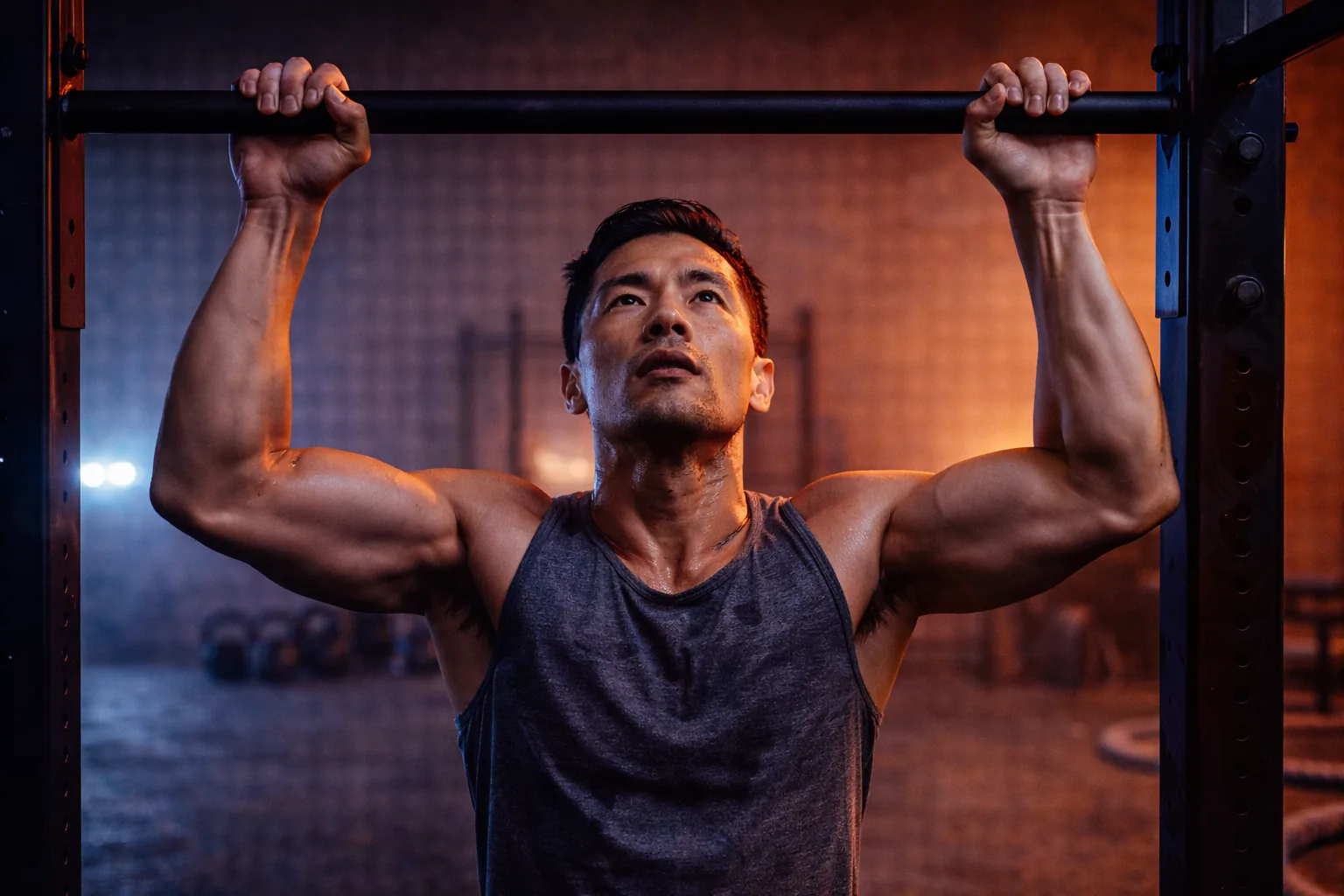
Climbing
Send harder. Recover smarter.
Climbing demands a unique combination of finger strength, shoulder stability, hip flexibility, and core tension that few other sports can match. At R1SE Sheffield, we offer the recovery, mobility, and antagonist training that climbers need to prevent the overuse injuries that hold back progression and keep sending harder routes.
Climbing is a pulling sport, which is both its magic and its injury risk. The dominant muscles - lats, biceps, forearm flexors, rear delts - get enormously strong, while the antagonists (pecs, triceps, anterior delts, wrist extensors) stay relatively underdeveloped. Combined with the finger-loading demands that concentrate force through A2 and A4 pulleys, the connective-tissue loads at the shoulder girdle, and the sustained flexed posture climbing reinforces, the injury pattern is predictable: pulley strains, shoulder impingement, medial epicondylitis (climber's elbow), rotator-cuff issues, and the chronic kyphotic posture many climbers carry off the wall. The solution is equally well-understood - hip mobility (Sheffield is Peak District climbing country, where steep footwork matters), antagonist training, scapular stability, forearm-load management, and deliberate recovery protocols. At R1SE we combine Hot Yoga (hip and shoulder mobility), Reformer Pilates (antagonist strength and scapular stability), Red Light Therapy (tendon and pulley recovery), and Compression (forearm pump management) - the exact stack the climbing-specific sports-medicine literature supports.
Your Multi-Therapy Plan
How R1SE Can Help
The Science
Evidence-based insights supporting our approach.
Shoulder injuries account for up to 20% of climbing injuries (Schöffl et al., 2015, Wilderness and Environmental Medicine) - predominantly rotator-cuff and labrum-related. Most are preventable with antagonist training and scapular stability work: exactly what Reformer Pilates delivers.
Finger pulley injuries (A2 and A4) are the most common climbing injury, affecting approximately 26% of sport climbers at some point (Schöffl & Küpper, 2013). Red light therapy at 810nm accelerates tendon healing and reduces inflammation - validated in multiple soft-tissue injury studies.
Hip flexibility is directly correlated with climbing ability - higher-grade climbers demonstrate significantly greater hip external rotation and dorsiflexion (Draper et al., 2016, Sports Technology). This is trainable, and hot yoga is the highest-yield intervention.
Antagonist training (pressing movements to balance pulling) reduces climbing injury rates and improves grip endurance through improved muscle balance (Lutter et al., 2017). The Reformer delivers this efficiently without the deload cost of heavy gym pressing.
Forearm flexor pump is driven by lactate accumulation and reduced blood flow under sustained contraction. Pneumatic compression post-session accelerates clearance and reduces next-day forearm fatigue - allowing higher-frequency training in the crucial 'getting strong' phase.
Climbing-specific kyphotic posture (rounded shoulders, forward head, restricted thoracic extension) is both an injury risk factor and a performance limit. Thoracic extension work (hot yoga) and antagonist strengthening (Reformer) measurably improve climbing posture and reach.
Common Questions
Loading form...
You May Also Be Interested In
Ready to Start?
Whether you want to book a session, explore our recovery therapies, or speak to someone about a personalised plan - we are here for you.