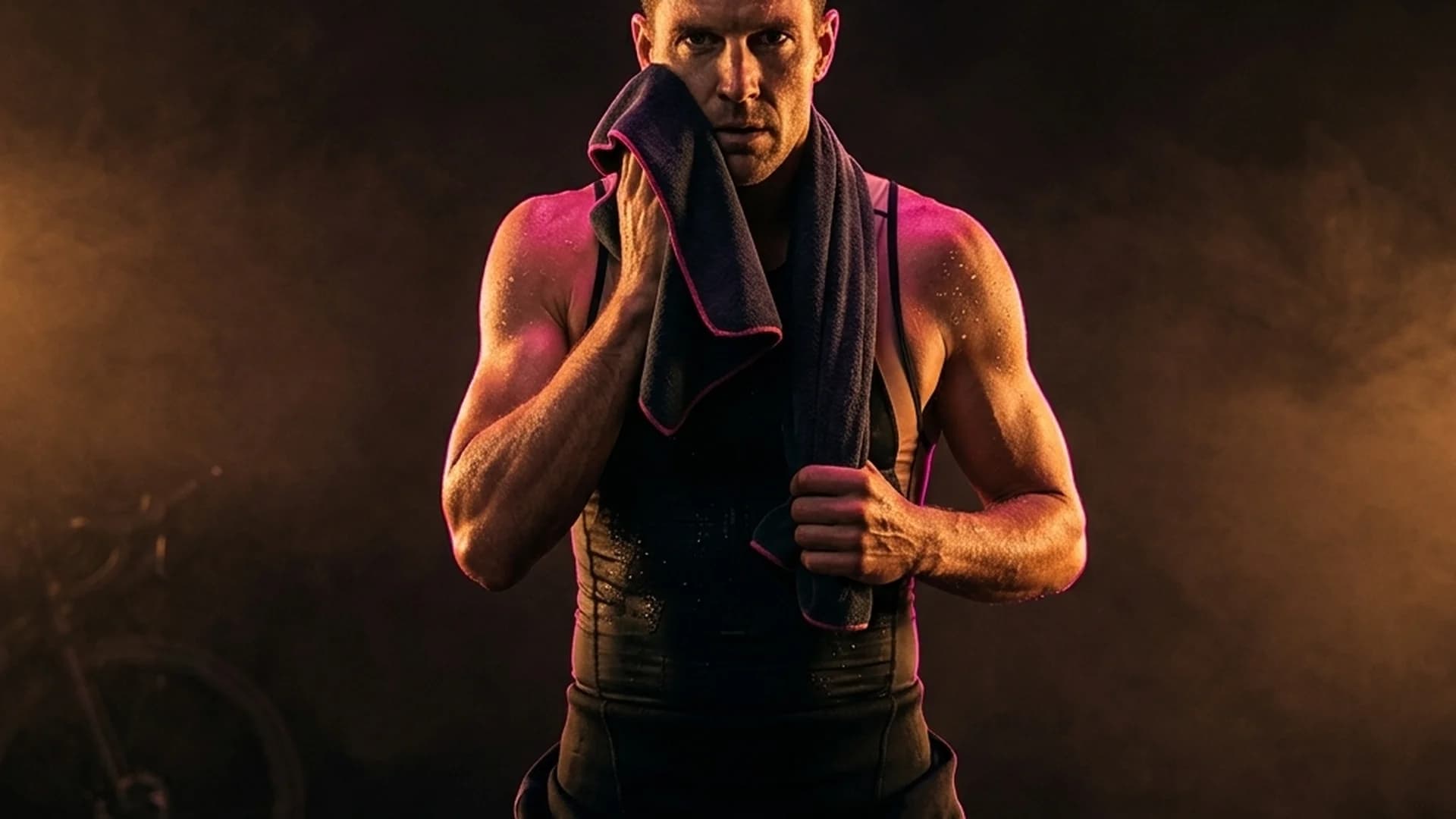
Ironman Training
Anything is possible. With the right recovery.
Training for an Ironman is one of the most physiologically demanding things a human body can do - 3.8km swim, 180km bike, 42.2km run, on the back of 500-800 hours of training over 6-12 months. The athletes who make it to the start line healthy and finish strong are not the ones who train hardest. They are the ones who recover hardest. R1SE Sheffield provides the advanced recovery infrastructure - HBOT, sequential compression, contrast therapy, hot yoga, and red light - that absorbs the extraordinary load iron-distance demands.
At 15-25 hours of training per week, your body accumulates fatigue, microtrauma, and inflammation faster than sleep and protein alone can clear. The cumulative result is the classic Ironman trajectory: a strong build, then a stagnating mid-cycle, then either a peak that holds together or an injury at week 20. Recovery quality is what separates those two outcomes. Our protocols are calibrated for the demands of iron-distance: HBOT for connective-tissue repair and overtraining recovery, sequential compression after every long ride and run, contrast therapy for systemic inflammation and heat acclimation, hot yoga for the swim/bike/run flexibility profile, and red light for cellular energy. Most of our iron-distance athletes describe R1SE as the difference between finishing and finishing well.
Your Multi-Therapy Plan
How R1SE Can Help
The Science
Evidence-based insights supporting our approach.
Ironman preparation requires 500-800 cumulative training hours - recovery quality, not training volume, is the variable that determines whether this load builds fitness or creates the overuse injury that ends a build (Journal of Strength and Conditioning Research).
Sauna-induced plasma volume expansion of 7% (Scoon et al., Journal of Science and Medicine in Sport, 2007) directly improves endurance performance, particularly in warm-weather races - which describes most Ironman venues.
Heat acclimation through regular sauna use produces a 32% increase in 5km run-to-exhaustion time and equivalent VO2 improvements - the largest non-pharmacological performance enhancer available to endurance athletes.
Growth hormone response to single sauna sessions has been measured at up to 200-300% increase, and 5x weekly sauna use produces sustained elevations - directly supporting the muscle repair and connective-tissue adaptation Ironman volume demands (Hannuksela & Ellahham, American Journal of Medicine).
HBOT accelerates recovery from exercise-induced muscle damage through increased satellite-cell activation, reduced inflammatory cytokines, and enhanced collagen synthesis - mechanisms particularly relevant for the cumulative tendon stress of marathon running off a bike (Babul & Rhodes, Sports Medicine).
Pneumatic compression has been shown to reduce DOMS and accelerate clearance of inflammatory markers post-endurance exercise, with measurably faster return to baseline strength and power output (Borne et al., International Journal of Sports Physiology and Performance).
Pre-exercise red light therapy has been shown to improve time-to-exhaustion and reduce post-exercise creatine kinase by 25-30% in trained endurance athletes (Vanin et al., Lasers in Medical Science meta-analysis).
Overtraining syndrome - the elevated cortisol, suppressed testosterone, depressed mood, and persistent fatigue that ends 10-15% of Ironman builds - is preventable through structured recovery prioritisation. Sauna, HBOT, and parasympathetic activation (yoga, breathwork) are all evidence-backed interventions.
Common Questions
Loading form...
You May Also Be Interested In
Ready to Start?
Whether you want to book a session, explore our recovery therapies, or speak to someone about a personalised plan - we are here for you.