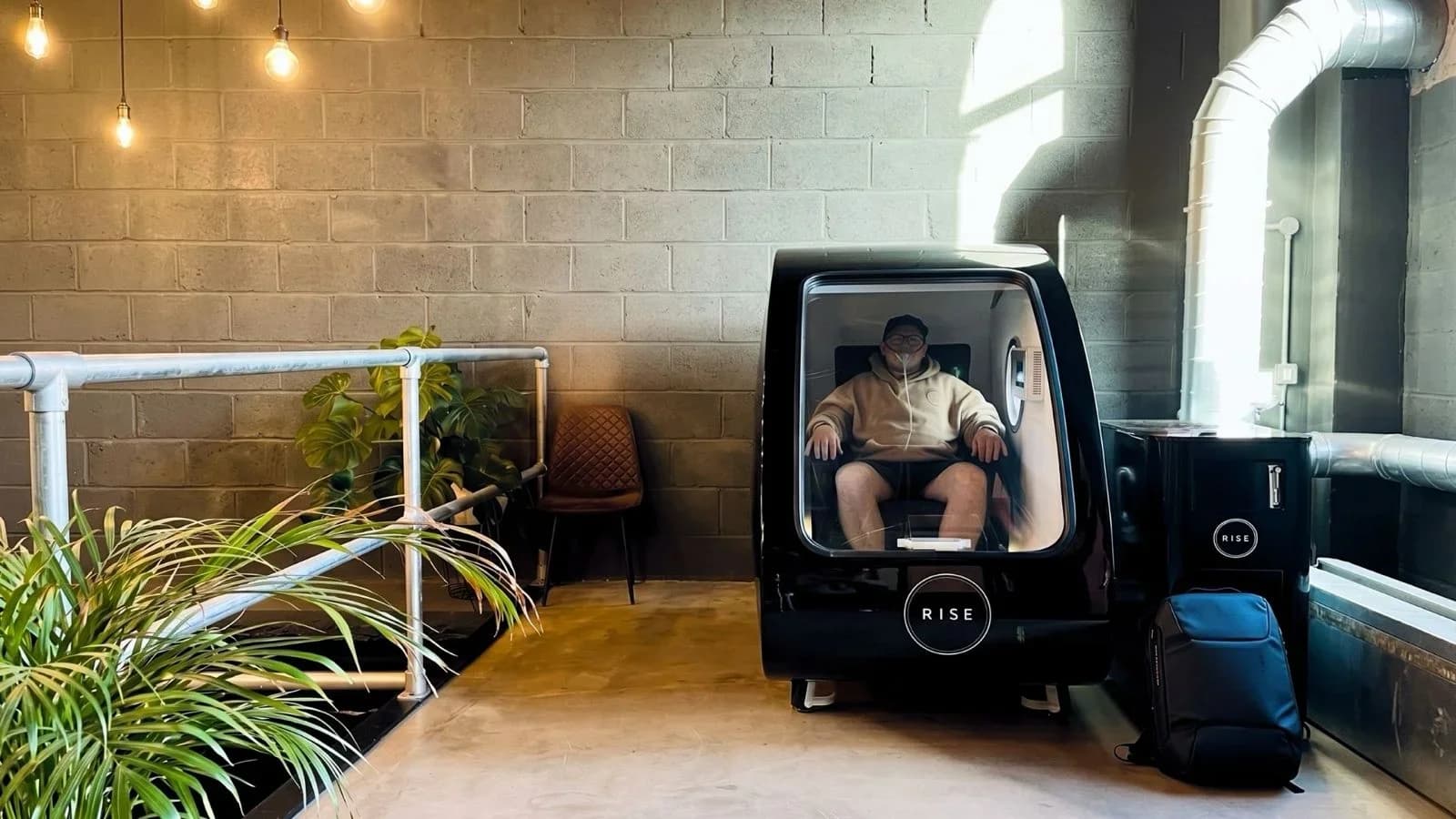
Lyme Disease
Fight back.
Important: R1SE services are complementary wellness support, not medical treatment. Always consult your healthcare provider before starting any new programme, especially if you are under active medical care.
Chronic Lyme disease can leave you battling fatigue, joint pain, cognitive difficulties, and a body that does not respond the way it used to. At R1SE Sheffield, we offer therapies that support immune function, reduce the systemic inflammation that drives Lyme symptoms, and help rebuild the energy reserves that the disease depletes.
Late-stage and post-treatment Lyme disease (PTLDS) is biologically messy: persistent Borrelia subpopulations hiding in low-oxygen tissue niches, dysbiotic co-infections (Babesia, Bartonella, Ehrlichia), autoimmune cross-reactivity, chronic neuroinflammation, and measurable mitochondrial dysfunction in affected muscle and brain tissue. Standard antibiotic courses resolve most acute cases - but 10-20% of patients experience symptoms that persist for months or years afterwards. This is where multi-modal, lifestyle-level support matters. Meaningful recovery requires three things in parallel: making tissues inhospitable to remaining spirochetes (via oxygenation), rebuilding the mitochondrial energy machinery the infection has compromised, and calming the chronic inflammation that drives the fatigue-brain fog-joint pain triad. At R1SE we layer HBOT, Red Light, pneumatic compression, and gentle movement specifically around these three targets - alongside (never instead of) your infectious-disease or Lyme-literate physician's protocol.
Your Multi-Therapy Plan
How R1SE Can Help
The Science
Evidence-based insights supporting our approach.
Borrelia burgdorferi is classified as microaerophilic - it thrives in low-oxygen conditions (Stanek et al., 2012, The Lancet). HBOT's mechanism of saturating tissues with oxygen may directly inhibit bacterial survival, with in-vitro evidence showing reduced spirochete viability at elevated oxygen tensions.
A pilot study (Fife et al., 1998, Undersea & Hyperbaric Medicine) reported significant improvement in 84% of chronic Lyme patients after 30 HBOT sessions at 2.4 ATA - including reductions in joint pain, fatigue, memory loss and headache. Larger trials are needed but the safety profile and mechanistic rationale are favourable.
Red light therapy supports natural killer (NK) cell function and regulates T-helper cell balance (Hamblin, 2017, Photonics), mechanisms relevant to the immune response against persistent Lyme infection and the Th17-skewed inflammation that often accompanies it.
Post-treatment Lyme symptoms affect an estimated 10-20% of patients - characterised by chronic fatigue, musculoskeletal pain, cognitive dysfunction and sleep disturbance (Aucott et al., 2013, Quality of Life Research). Gentle exercise is recommended by Lyme Disease UK for symptom management, with the essential caveat that pacing avoids post-exertional flares.
Chronic Lyme is increasingly recognised as a condition of mitochondrial dysfunction and oxidative stress (Donta, 2012, International Journal of General Medicine) - providing a direct rationale for mitochondrial-targeting therapies like photobiomodulation and HBOT.
Jarisch-Herxheimer reactions - temporary symptom flares from rapid bacterial die-off - are managed through gradual ramp-up of antimicrobial and anti-pathogen interventions. The same principle applies to HBOT and intense exercise in chronic Lyme: start low, progress slowly, allow recovery between sessions.
Common Questions
Loading form...
You May Also Be Interested In
Ready to Start?
Whether you want to book a session, explore our recovery therapies, or speak to someone about a personalised plan - we are here for you.