Multiple Sclerosis
Your pace. Your power.
Important: R1SE services are complementary wellness support, not medical treatment. Always consult your healthcare provider before starting any new programme, especially if you are under active medical care.
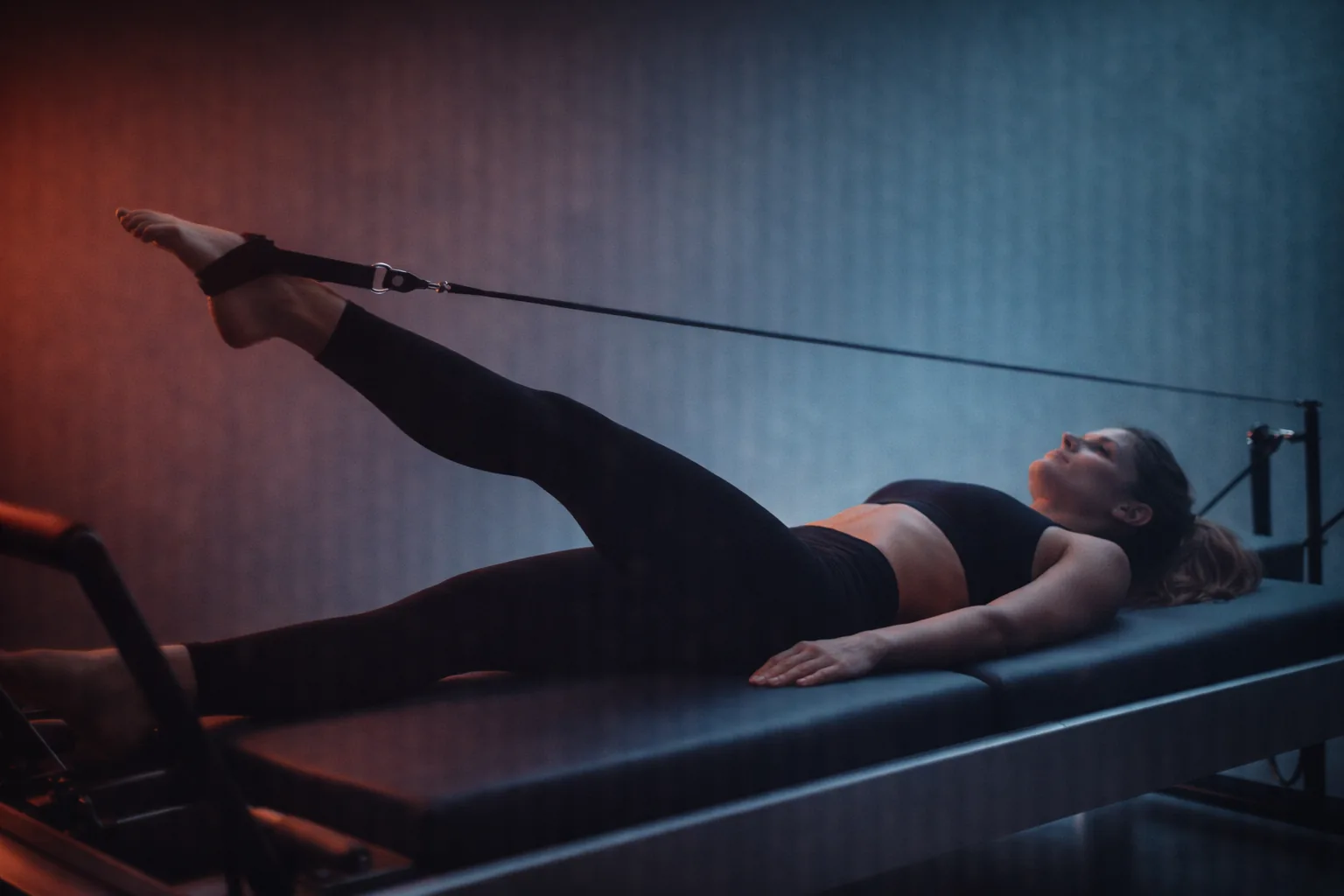
Living with MS means adapting - and at R1SE Sheffield we offer therapies that adapt with you. HBOT has a long history in the MS community, and combined with gentle Pilates, red light, and compression, we can support mobility, fatigue management, and quality of life.
MS is a chronic autoimmune and neurodegenerative condition in which the immune system attacks the myelin sheath around nerve fibres - disrupting the electrical signalling that underlies movement, cognition, balance and autonomic function. The modern understanding is that symptoms arise not just from demyelination but from ongoing neuroinflammation, oxidative stress and relative tissue hypoxia within MS lesions. The UK MS community pioneered the use of HBOT over 40 years ago precisely because pressurised oxygen targets that tissue hypoxia. Alongside it, exercise has emerged as one of the most important modifiable factors - the MS Society now describes it as 'one of the most important things people with MS can do'. At R1SE we layer HBOT, Red Light, heat-avoiding cool-room Pilates and compression to address each of these mechanisms simultaneously.
Your Multi-Therapy Plan
How R1SE Can Help
The Science
Evidence-based insights supporting our approach.
A national network of MS Therapy Centres across the UK has offered HBOT for over 40 years, based on decades of clinical experience and consistent patient-reported benefit for fatigue, bladder function, and cognitive symptoms.
A 2021 meta-analysis in Multiple Sclerosis and Related Disorders (Sá et al.) confirmed Pilates produces significant improvements in balance, walking speed and fatigue in MS patients - with medium-to-large effect sizes and no reported adverse events.
Photobiomodulation has demonstrated neuroprotective effects in animal models of MS, reducing clinical disability scores and preserving myelin integrity (Muili et al., 2013, Journal of Neuroscience Research). Early human trials are underway.
Regular moderate exercise is recommended by the MS Society, the National MS Society (USA) and the 2020 international physical activity consensus (Kalb et al., MSJ) as a disease-modifying lifestyle intervention for all MS phenotypes.
MS lesions show measurable tissue hypoxia on functional imaging (Juurlink, 2013, Multiple Sclerosis Journal). HBOT at 1.5-2.0 ATA reverses this hypoxia and has been shown to reduce oxidative stress markers - providing a direct mechanistic rationale for its use.
Heat sensitivity (Uhthoff's phenomenon) affects up to 80% of MS patients - transient worsening of neurological symptoms with increased body temperature. For this reason we deliver MS-focused movement in our non-heated Reformer and Mat Pilates studios, and recommend post-session Red Light and compression rather than hot yoga or sauna.
Common Questions
Loading form...
You May Also Be Interested In
Ready to Start?
Whether you want to book a session, explore our recovery therapies, or speak to someone about a personalised plan - we are here for you.