Postnatal Recovery
Rebuild. Reconnect.
Important: R1SE services are complementary wellness support, not medical treatment. Always consult your healthcare provider before starting any new programme, especially if you are under active medical care.
Your body has done something extraordinary - now it deserves expert care in its recovery. R1SE Sheffield offers safe, progressive postnatal movement and recovery that rebuilds your core, restores your pelvic floor, and gives you time for yourself in a supportive community.
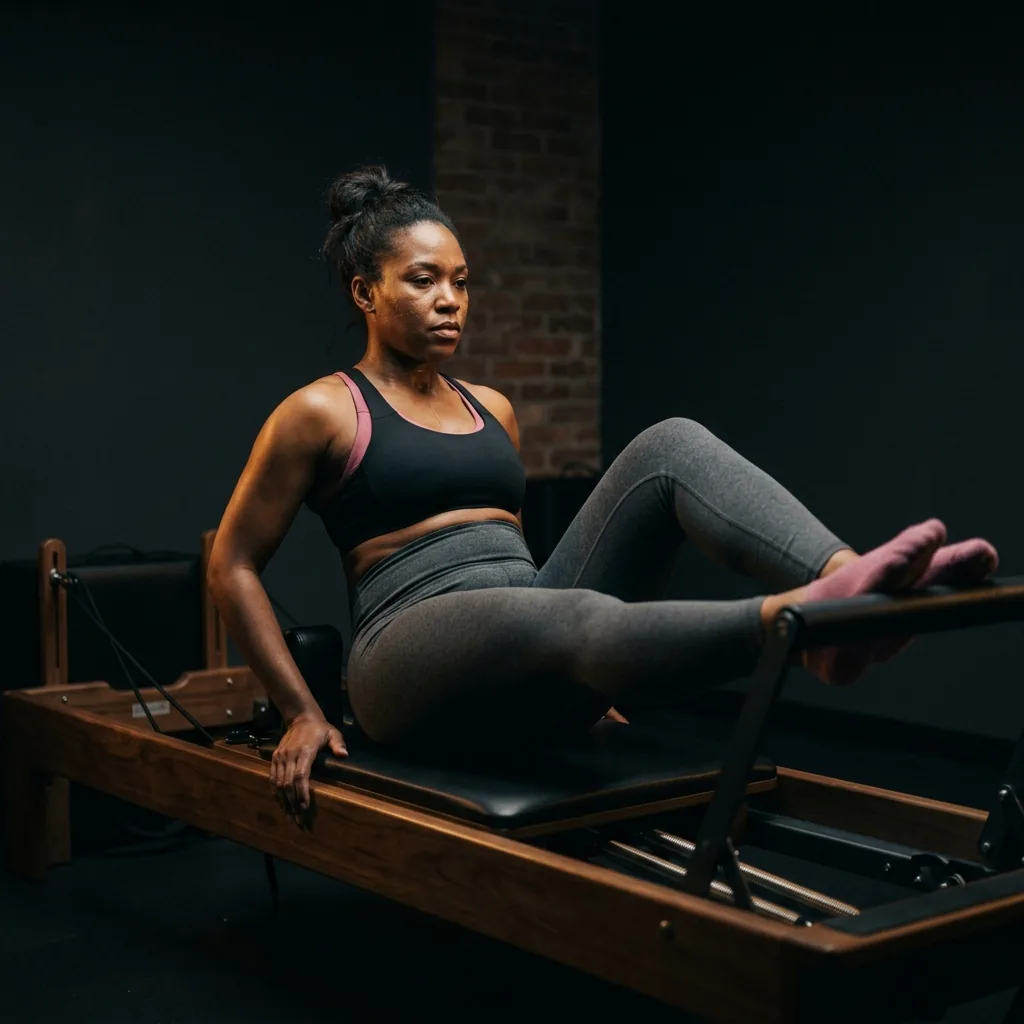
Postnatal recovery is one of the most under-served areas of mainstream healthcare. The physical changes of pregnancy and birth are profound: diastasis recti (abdominal separation) occurs in nearly all pregnancies and persists past 8 weeks in around 60%; pelvic floor dysfunction affects up to 50% of postnatal women; hormonal shifts continue for 6-12 months (longer if breastfeeding); and musculoskeletal adaptations - kyphosis from feeding, forward head posture, wrist and thumb strain from carrying - layer on top of the direct birth recovery. The evidence-based rehabilitation approach is remarkably consistent across UK women's health physiotherapy: start with gentle breathing and pelvic floor reconnection, progress through targeted core rehabilitation (Pilates-based), rebuild full-body strength gradually, and layer in recovery and tissue-support therapies. At R1SE we deliver exactly that framework - Mat Pilates for early core and pelvic-floor reconnection, Reformer for progressive strength rebuild, Red Light for tissue healing and scar support, and Compression for the acute postnatal circulatory demands. All in a supportive environment that recognises how unusual time-for-yourself is in early parenthood.
Your Multi-Therapy Plan
How R1SE Can Help
The Science
Evidence-based insights supporting our approach.
Pilates-based rehabilitation is the single most recommended exercise approach for postnatal recovery by UK women's health physiotherapists (POGP guidelines) - specifically designed to address diastasis recti, pelvic floor dysfunction, and lumbopelvic instability.
Pelvic floor muscle training should begin in the first few days postpartum (with gentle contractions) and is most effective with professional guidance (Woodley et al., 2017, Cochrane) - unsupervised self-directed Kegels are significantly less effective than instructor-led programmes.
Red light therapy has demonstrated accelerated wound healing, reduced scar formation, and improved collagen remodelling in multiple clinical trials (Avci et al., 2013) - particularly relevant for C-section and perineal repair.
Diastasis recti (abdominal separation >2cm) persists beyond 8 weeks postpartum in around 60% of women (Sperstad et al., 2016, BJSM). Targeted deep-core rehabilitation - the core of Pilates-based postnatal work - is the evidence-based intervention, not standard sit-ups (which can worsen the separation).
The NHS recommends returning to exercise gradually after birth, starting with core and pelvic floor work, with NICE guideline NG194 emphasising individualised, gradual progression. Return-to-running guidelines (Goom et al., 2019) specifically recommend 3+ months of strengthening before high-impact activity.
Postnatal depression and anxiety affect around 1 in 5 mothers - exercise, social connection, and dedicated time for self all independently reduce risk and accelerate recovery (Pritchett et al., 2017, British Journal of General Practice). R1SE sessions combine all three.
Common Questions
Loading form...
You May Also Be Interested In
Ready to Start?
Whether you want to book a session, explore our recovery therapies, or speak to someone about a personalised plan - we are here for you.