Pregnancy & Prenatal
Strong mums. Safer births. Faster recovery.
Important: R1SE services are complementary wellness support, not medical treatment. Always consult your healthcare provider before starting any new programme, especially if you are under active medical care.
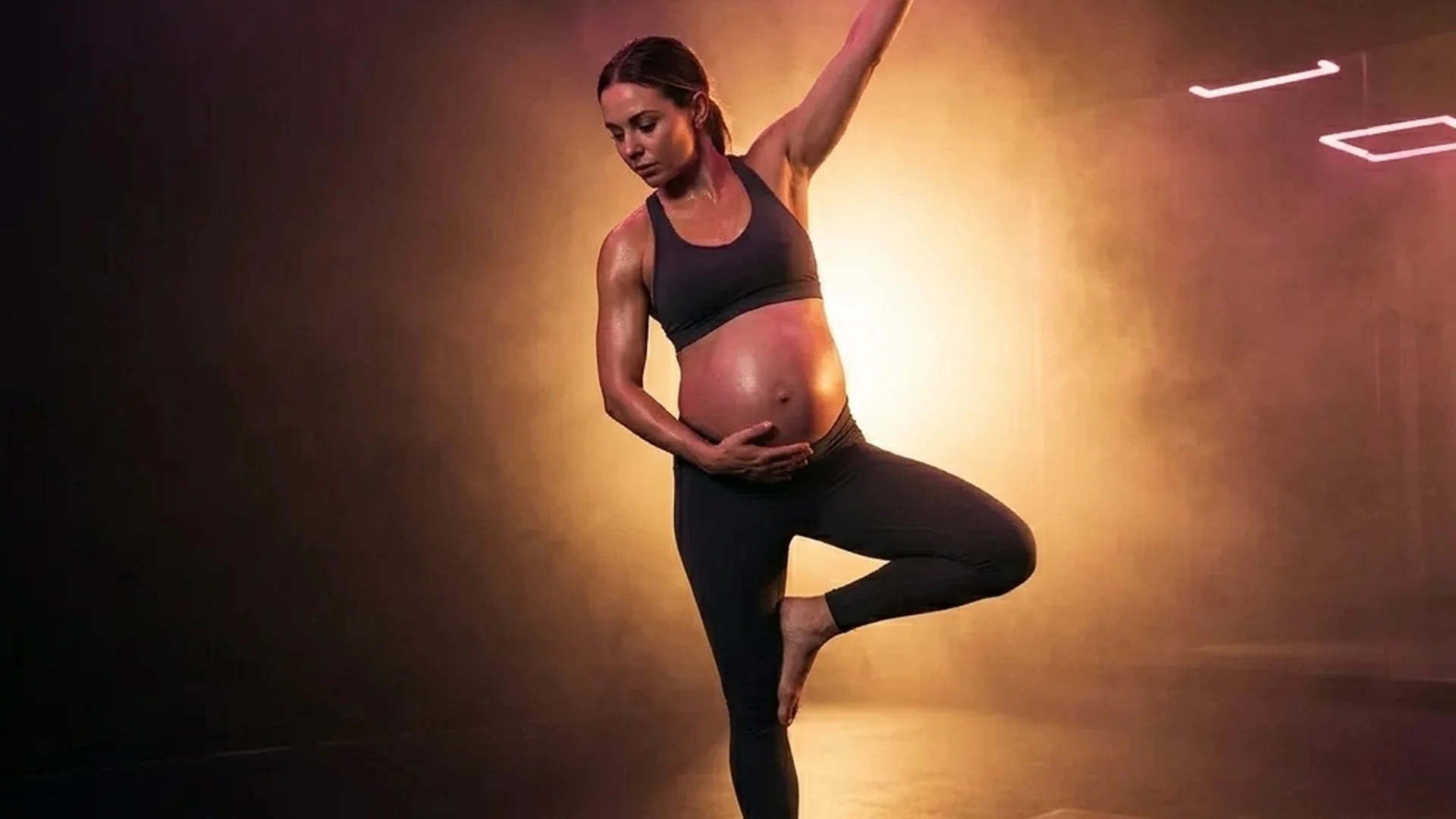
Pregnancy is not an illness - it is one of the most physically demanding challenges your body will ever face, and preparing for it through targeted exercise and recovery is one of the best things you can do for both you and your baby. At R1SE Sheffield, we offer Reformer Pilates, prenatal-modified yoga, Red Light Therapy, and Compression Therapy - each evidence-backed for improving pregnancy outcomes, reducing complications, and preparing your body for birth and recovery.
The evidence is overwhelming: women who exercise during pregnancy have shorter labours, fewer caesarean sections, lower rates of gestational diabetes and pre-eclampsia, better mental health, and faster postpartum recovery. Yet fear and outdated advice keep many women sedentary. R1SE provides a safe, supportive, instructor-led environment where every session can be modified for each trimester. Our Reformer Pilates classes are particularly suited to pregnancy - the spring-loaded carriage allows resistance training without impact, strengthens the pelvic floor, and maintains the core stability that makes birth and recovery significantly easier.
Your Multi-Therapy Plan
How R1SE Can Help
The Science
Evidence-based insights supporting our approach.
Women who exercise during pregnancy have a 31% lower risk of caesarean delivery, 25% lower risk of gestational diabetes, and 40% lower risk of excessive weight gain (Davenport et al., 2018, British Journal of Sports Medicine - meta-analysis of 2.26 million pregnancies).
Pelvic floor training during pregnancy (as in Reformer Pilates) reduces the risk of urinary incontinence by 62% and significantly reduces the duration of the second stage of labour (Mørkved & Bø, 2014, Current Opinion in Obstetrics and Gynecology).
Prenatal yoga reduces cortisol, improves sleep, and reduces anxiety and depression scores - with a 2015 meta-analysis in the Journal of Bodywork and Movement Therapies confirming significant mental health benefits across all trimesters.
The ACOG (American College of Obstetricians and Gynecologists) and RCOG (Royal College) recommend 150 minutes of moderate-intensity exercise per week throughout pregnancy for all women without contraindications.
Exercise during pregnancy improves placental efficiency and oxygen delivery to the foetus, and babies born to exercising mothers show better stress tolerance and neurodevelopmental outcomes (May et al., 2016, Early Human Development).
Common Questions
Loading form...
You May Also Be Interested In
Ready to Start?
Whether you want to book a session, explore our recovery therapies, or speak to someone about a personalised plan - we are here for you.