Tinnitus
Quiet the noise. Reclaim the silence.
Important: R1SE services are complementary wellness support, not medical treatment. Always consult your healthcare provider before starting any new programme, especially if you are under active medical care.
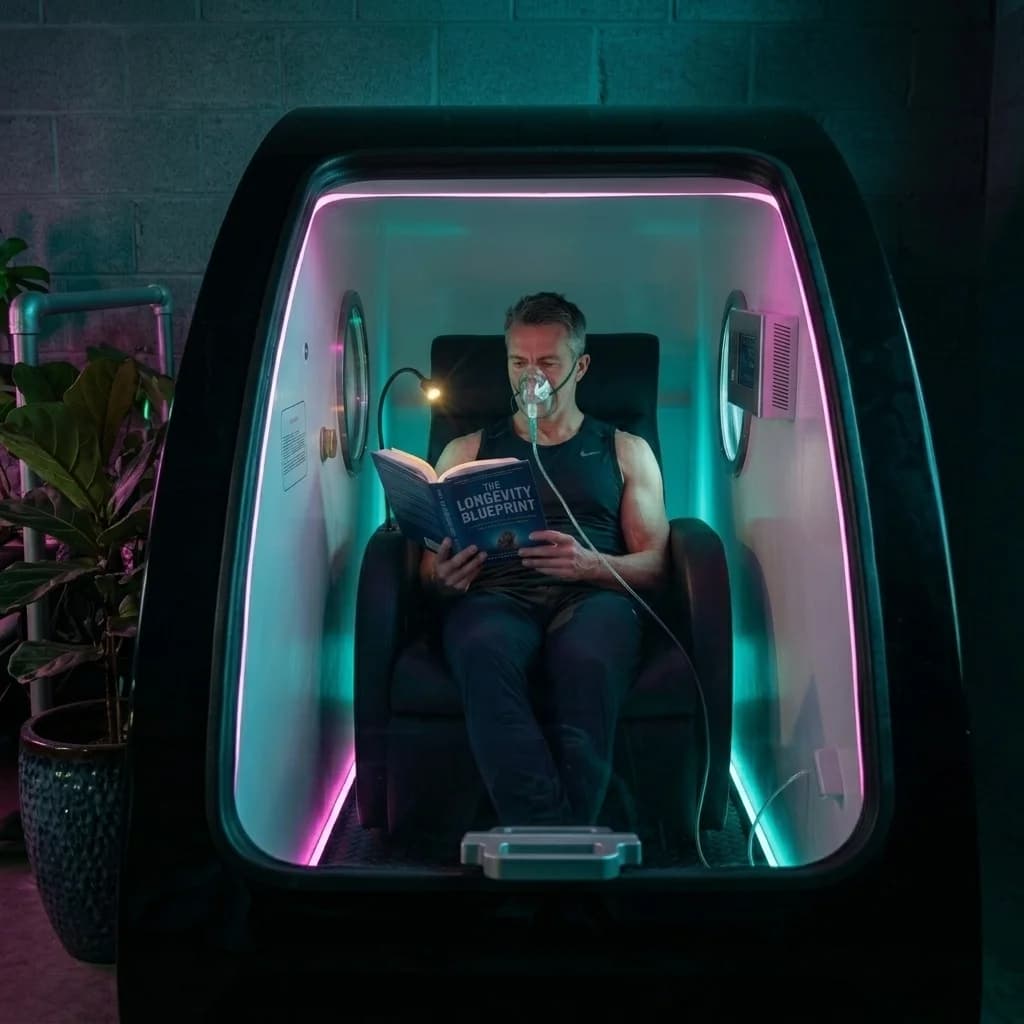
Tinnitus - persistent ringing, buzzing, or hissing in the ears - affects 1 in 8 adults in the UK and can be profoundly debilitating, causing anxiety, sleep disruption, concentration problems, and depression. Conventional medicine offers limited options beyond habituation therapy. At R1SE Sheffield, we offer HBOT - the therapy with the strongest clinical evidence for acute and subacute tinnitus - alongside Red Light Therapy, yoga-based breathwork, and stress-reduction therapies that address both the physical and psychological dimensions of tinnitus.
Tinnitus often results from reduced blood flow and oxygen supply to the cochlea (inner ear) - caused by noise exposure, ageing, viral infection, or vascular changes. HBOT directly addresses this by flooding the cochlear tissue with oxygen at 10-15x normal levels, promoting repair of the delicate hair cells and neural pathways involved in hearing. The earlier HBOT is initiated after tinnitus onset, the more effective it is - but even chronic tinnitus patients report improvement. Combined with stress reduction (a major tinnitus amplifier) and the mental health support of regular exercise, R1SE provides the most comprehensive tinnitus management available in Sheffield.
Your Multi-Therapy Plan
How R1SE Can Help
The Science
Evidence-based insights supporting our approach.
HBOT increases cochlear oxygen tension by up to 800% and has been shown to improve tinnitus severity in 65% of acute cases and 35-40% of chronic cases in clinical trials (Bennett et al., 2012, Cochrane Database of Systematic Reviews).
Tinnitus affects approximately 7.1 million adults in the UK (1 in 8), with 600,000 experiencing it severely enough to significantly impact daily life (British Tinnitus Association).
Stress and anxiety directly amplify tinnitus perception through the limbic system - the brain's emotional processing centre. Mindfulness-based therapies (including yoga) reduce tinnitus distress scores by 40-50% in clinical trials (McKenna et al., 2017, Psychotherapy and Psychosomatics).
The cochlea (inner ear) is one of the most metabolically active structures in the body, consuming oxygen at twice the rate of brain tissue. Even small reductions in cochlear blood flow cause significant hearing damage - making HBOT uniquely relevant for tinnitus.
Cold exposure improves autonomic nervous system regulation (measured by HRV), which directly influences how the brain processes and amplifies the tinnitus signal. Better autonomic regulation means quieter tinnitus perception.
Common Questions
Loading form...
You May Also Be Interested In
Ready to Start?
Whether you want to book a session, explore our recovery therapies, or speak to someone about a personalised plan - we are here for you.