Brain Injury Recovery
Healing the invisible.
Important: R1SE services are complementary wellness support, not medical treatment. Always consult your healthcare provider before starting any new programme, especially if you are under active medical care.
Traumatic brain injury can leave lasting effects - cognitive difficulties, fatigue, mood changes, headaches - that are invisible to others but profoundly real to you. At R1SE Sheffield, we offer therapies that support neurological repair and help rebuild the cognitive and physical function that TBI disrupts.
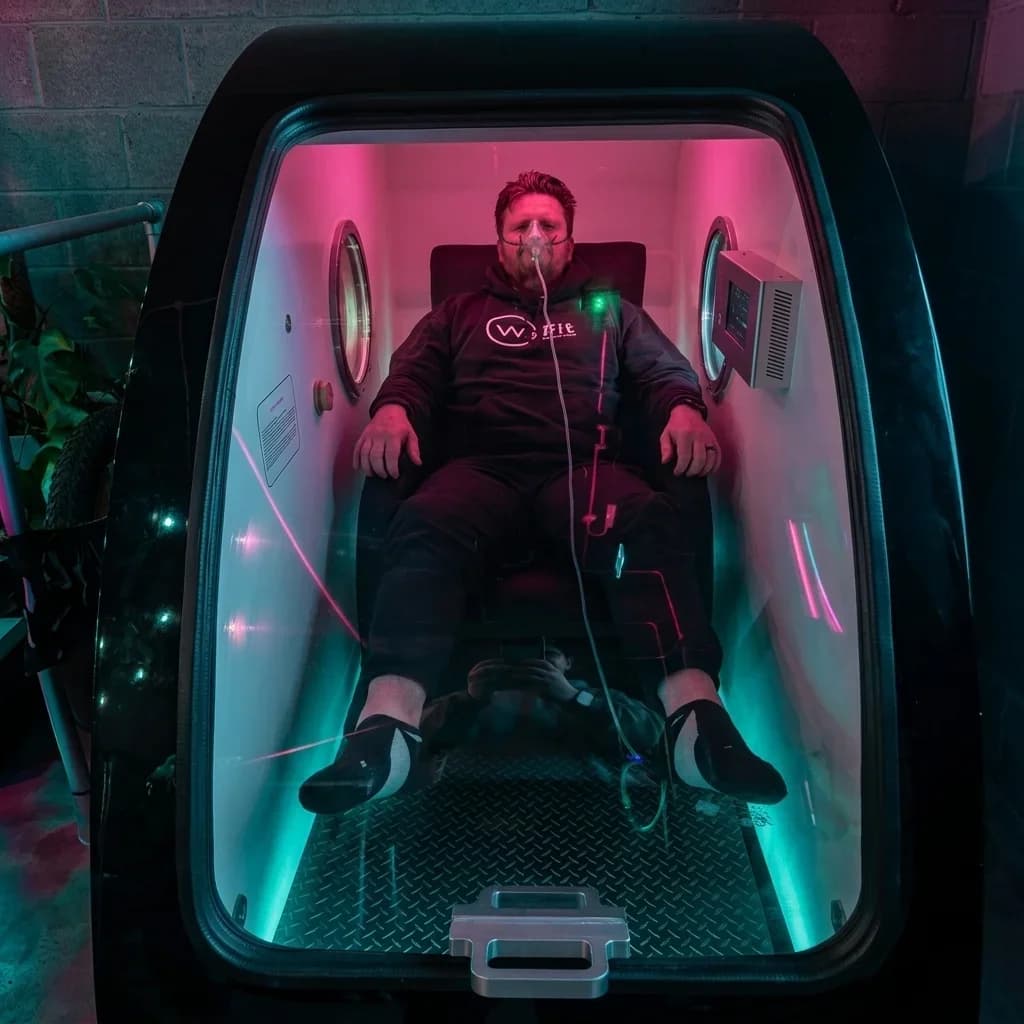
TBI is not a single event - it is a cascade. The initial mechanical injury is followed by hours-to-months of secondary injury: neuroinflammation, mitochondrial dysfunction, oxidative stress, disrupted cerebral blood flow, and failed autophagy in damaged neurons. This secondary-injury cascade is often what causes the persistent cognitive fog, fatigue, mood changes and headache that define post-concussion syndrome and chronic TBI - and crucially, it is substantially modifiable. Pressurised oxygen, near-infrared light, and structured aerobic exercise all target the exact biological processes implicated in chronic TBI outcomes. The 2022 US Department of Defense funded meta-analysis of HBOT for chronic TBI found consistent improvements in symptom burden, cognition and quality of life. At R1SE we build protocols around these findings - always as an adjunct to your neurology, rehabilitation and NHS consultant care.
Your Multi-Therapy Plan
How R1SE Can Help
The Science
Evidence-based insights supporting our approach.
A 2022 meta-analysis (Figueroa & Wright, Military Medicine) of 1,000+ HBOT-treated military TBI patients found significant, clinically meaningful improvements in symptoms, cognition, sleep and quality of life - with durability of effect at 3-6 month follow-up.
Transcranial photobiomodulation at 810nm has shown improvements in cognitive function, sleep, PTSD symptoms and depression in chronic TBI patients in multiple pilot studies (Naeser et al., 2014, Journal of Neurotrauma). The mechanism is direct upregulation of neuronal mitochondrial function.
Yoga-based rehabilitation improves balance, cognitive function, depressive symptoms and emotional regulation in TBI patients (Donnelly et al., 2017, Brain Injury). The combination of breath-awareness and gentle movement directly targets the autonomic and interoceptive disruption common after brain injury.
Chronic hypoperfusion - reduced cerebral blood flow in injured regions - is detectable on SPECT imaging years after TBI. HBOT at 1.5-2.0 ATA measurably improves this perfusion and correlates with clinical improvement (Boussi-Gross et al., 2013, PLOS ONE).
Neuroplasticity - the brain's ability to form new connections and reorganise function - continues throughout life. Meta-analyses confirm recovery is not confined to the first 6-12 months post-injury; meaningful gains continue for years given appropriate stimulation.
A 2020 Cochrane review (Harris et al.) on aerobic exercise in TBI found sub-symptom-threshold aerobic training safely accelerates recovery from persistent post-concussion symptoms and reduces prolonged symptom burden - provided intensity is kept below the symptom-exacerbation threshold.
Common Questions
Loading form...
You May Also Be Interested In
Ready to Start?
Whether you want to book a session, explore our recovery therapies, or speak to someone about a personalised plan - we are here for you.