Stroke Recovery
Rebuild. Step by step.
Important: R1SE services are complementary wellness support, not medical treatment. Always consult your healthcare provider before starting any new programme, especially if you are under active medical care.
Recovery after a stroke is a marathon, not a sprint. At R1SE Sheffield, we offer therapies that support neuroplasticity, rebuild physical function, and provide the oxygen and circulation your healing brain needs - alongside your NHS rehabilitation programme.
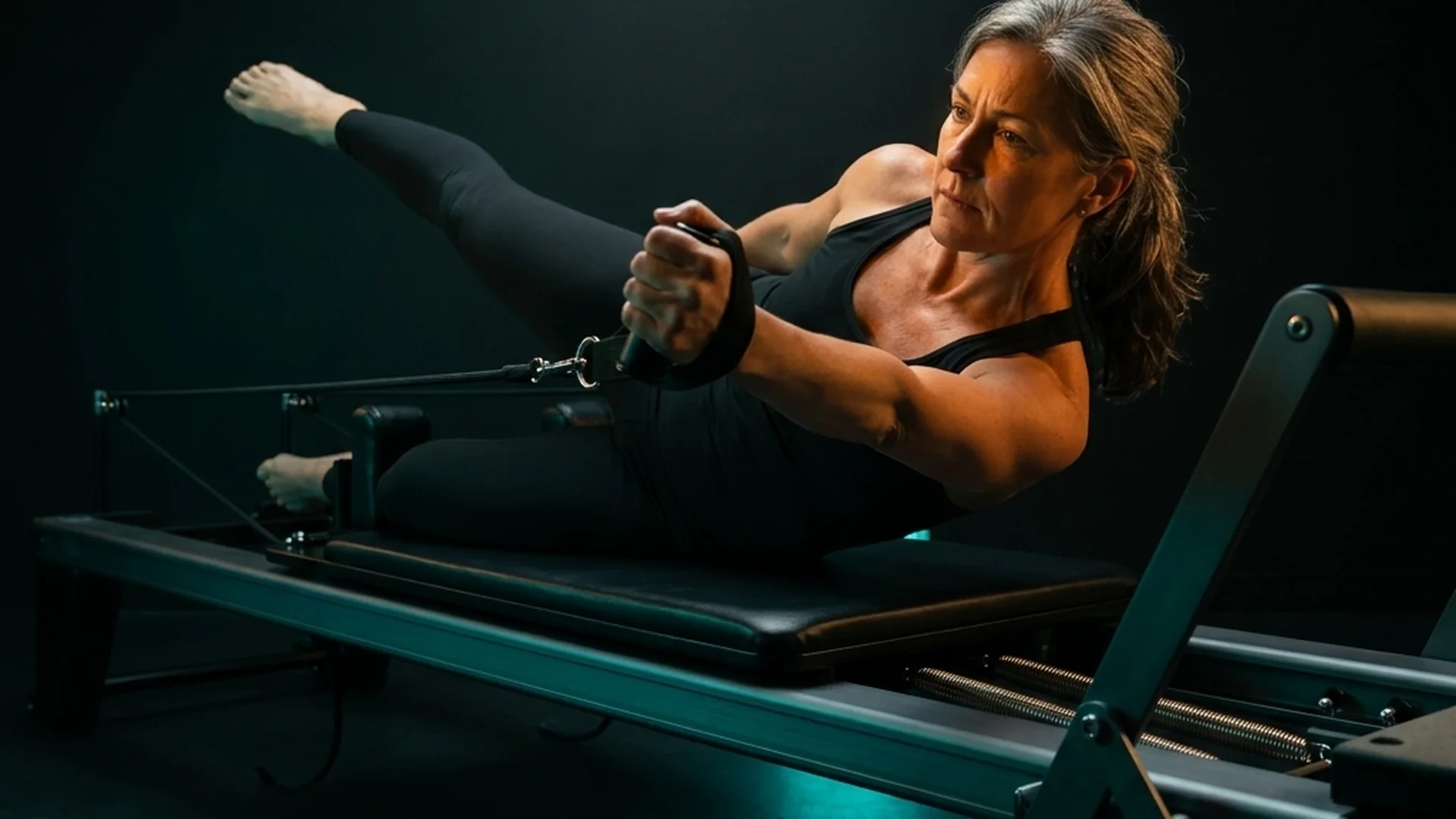
After ischaemic injury the brain contains a 'penumbra' - tissue that is metabolically compromised but not yet dead - and a surrounding zone of chronic low-grade hypoperfusion that may persist for months or years. This is the biological basis for the striking 2013 Efrati et al. PLOS ONE trial showing measurable clinical improvement with HBOT even 6-36 months post-stroke. Recovery is not a fixed window: neuroplasticity continues throughout life, and the brain can reorganise function into preserved areas given the right stimulus (activity-dependent plasticity) and the right metabolic substrate (oxygen, glucose, ATP). At R1SE we combine HBOT (for tissue oxygenation and stem-cell mobilisation), transcranial Red Light (for mitochondrial support in cortical tissue), adapted Pilates (for the repetitive motor practice that rebuilds neural circuits), and compression (for the limb swelling and fatigue of neurological recovery) - all as a complement to your NHS stroke team's rehabilitation programme.
Your Multi-Therapy Plan
How R1SE Can Help
The Science
Evidence-based insights supporting our approach.
A landmark 2013 randomised controlled trial in PLOS ONE (Efrati et al.) showed 40 sessions of HBOT at 2.0 ATA produced significant improvements in neurological function in post-stroke patients 6-36 months after the initial event - corresponding to measurable increases in cerebral blood flow and metabolic activity on SPECT imaging.
A 2020 meta-analysis in Clinical Rehabilitation (Lim et al.) confirmed Pilates-based rehabilitation significantly improves balance, gait, trunk control and activities of daily living in stroke survivors - with effect sizes larger than conventional physiotherapy alone.
Transcranial photobiomodulation has demonstrated neuroprotective and neuroregenerative effects in both animal stroke models and early human trials (Hamblin, 2016, BBA Clinical) - increasing ATP production in damaged neurons and upregulating BDNF.
Exercise is the most powerful modifiable factor in long-term stroke outcome. The American Heart Association and the UK Stroke Association recommend 20-60 minutes of aerobic exercise 3-5 days per week plus 2-3 sessions of strength and flexibility work - targets achievable through R1SE sessions.
HBOT at 1.5-2.0 ATA has been shown to mobilise endogenous stem cells from bone marrow by up to 8× baseline levels (Thom et al., 2006, American Journal of Physiology), providing a biological mechanism for the tissue repair observed in chronic stroke patients.
Activity-dependent neuroplasticity - the brain's capacity to reorganise function into surviving areas - continues throughout life. Meta-analyses confirm that 'more is better' within tolerance: higher-dose, more repetitive motor practice produces greater recovery, even decades after stroke.
Common Questions
Loading form...
You May Also Be Interested In
Ready to Start?
Whether you want to book a session, explore our recovery therapies, or speak to someone about a personalised plan - we are here for you.