Respiratory Health
Breathe deeper.
Important: R1SE services are complementary wellness support, not medical treatment. Always consult your healthcare provider before starting any new programme, especially if you are under active medical care.
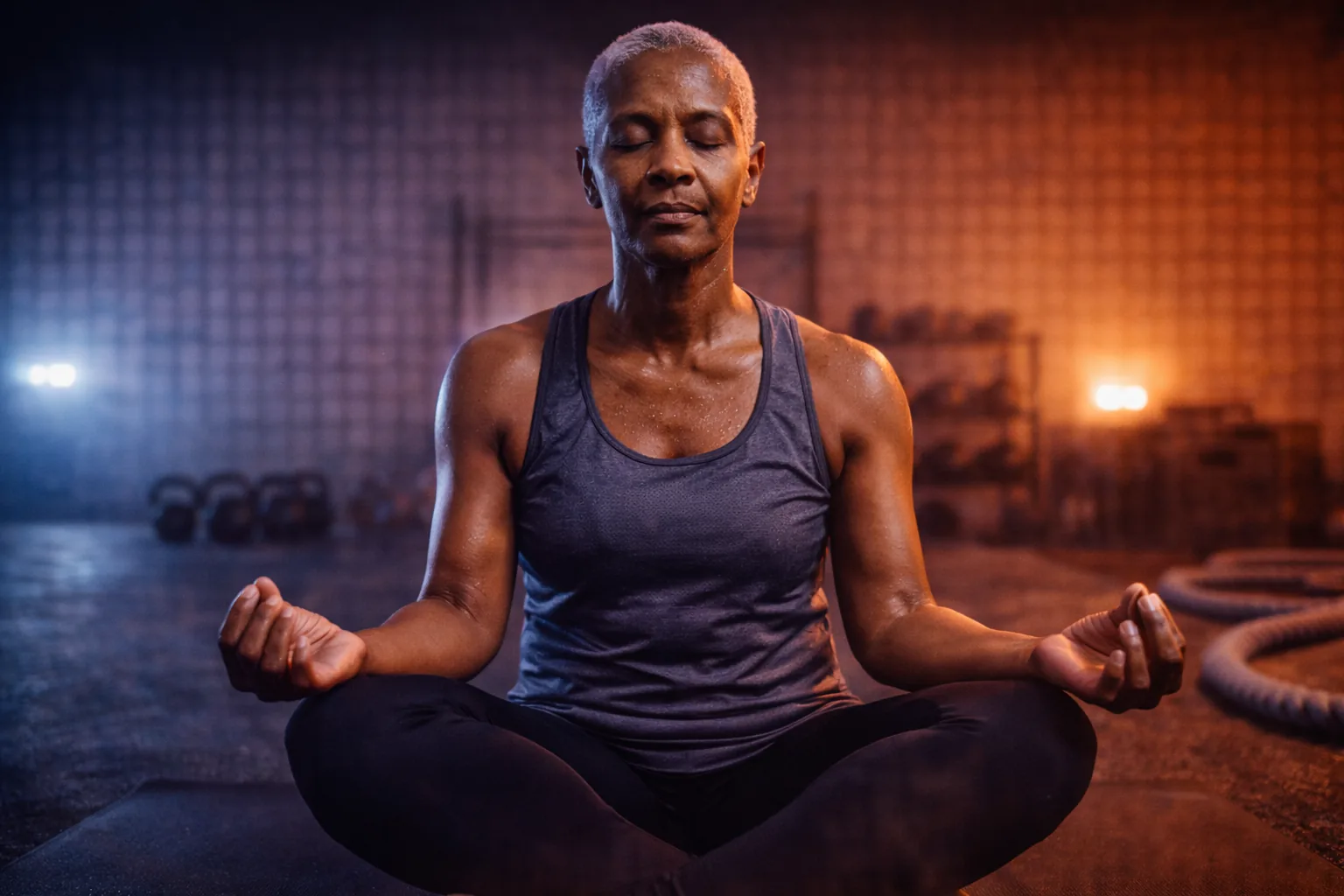
Whether you live with asthma, reduced lung capacity, or respiratory issues from a past illness, the ability to breathe fully and confidently is transformative. At R1SE Sheffield, we combine breathwork training, oxygen therapy, and gentle movement to rebuild your respiratory strength and confidence.
Asthma is a heterogeneous disease of airway inflammation and bronchial hyper-responsiveness - but two well-established lifestyle interventions change outcomes meaningfully: structured breathing training (pranayama, Buteyko, diaphragmatic breathing) and regular cardiovascular exercise. A Cochrane review has found breathing training can reduce inhaler use by up to 50% in some patients, and the 2022 British Thoracic Society / NICE asthma guidelines now explicitly recommend breathing exercises as a non-pharmacological adjunct. For broader respiratory conditions (long COVID dyspnoea, post-pneumonia recovery, chronic bronchitis, reduced lung capacity) the same principles apply with modifications: train the diaphragm, rebuild cardiovascular tolerance gradually, reduce airway inflammation, and re-train respiratory muscles that have weakened through disuse. At R1SE we build breathwork into every yoga class and layer in HBOT (for tissue oxygenation during recovery), Red Light (for airway inflammation), and carefully-titrated cold exposure (for respiratory muscle strength) - always with your reliever inhaler in reach.
Your Multi-Therapy Plan
How R1SE Can Help
The Science
Evidence-based insights supporting our approach.
A 2020 Cochrane systematic review (Santino et al., Breathing Exercises for Adults with Asthma) concluded breathing exercises produce small but clinically meaningful improvements in asthma symptoms, quality of life and hyperventilation symptoms, with effect sizes supporting their inclusion in routine management.
Buteyko and pranayama breathing techniques have been shown to reduce asthma medication use by up to 50% in some RCTs (Bowler et al., 1998, Medical Journal of Australia; Cooper et al., 2003, Thorax) - with the greatest benefit for relief-inhaler use rather than preventer medication.
Regular moderate exercise improves cardiorespiratory fitness and reduces the frequency and severity of exercise-induced bronchoconstriction in asthma patients (Carson et al., 2013, Cochrane) - counter-intuitively, the fitter you are, the less exercise triggers symptoms.
HBOT improves oxygen saturation, reduces inflammation and has been studied for recovery from respiratory conditions including severe COVID-19 pneumonitis (Robbins et al., 2021, Undersea & Hyperbaric Medicine), with measurable improvements in dyspnoea, fatigue and oxygen requirements.
The heated yoga environment (38-40°C, relatively humid) actively protects against the cold-dry-air mechanism that drives exercise-induced asthma (McFadden & Gilbert, 1994, New England Journal of Medicine) - making hot yoga particularly suitable for asthma compared to outdoor winter exercise.
Long COVID respiratory symptoms - breathlessness, reduced exercise tolerance, 'air hunger' - respond to structured breathing retraining and pacing (ATS, 2022 consensus). Post-viral lung recovery is a plausible HBOT indication with growing published support.
Common Questions
Loading form...
You May Also Be Interested In
Ready to Start?
Whether you want to book a session, explore our recovery therapies, or speak to someone about a personalised plan - we are here for you.