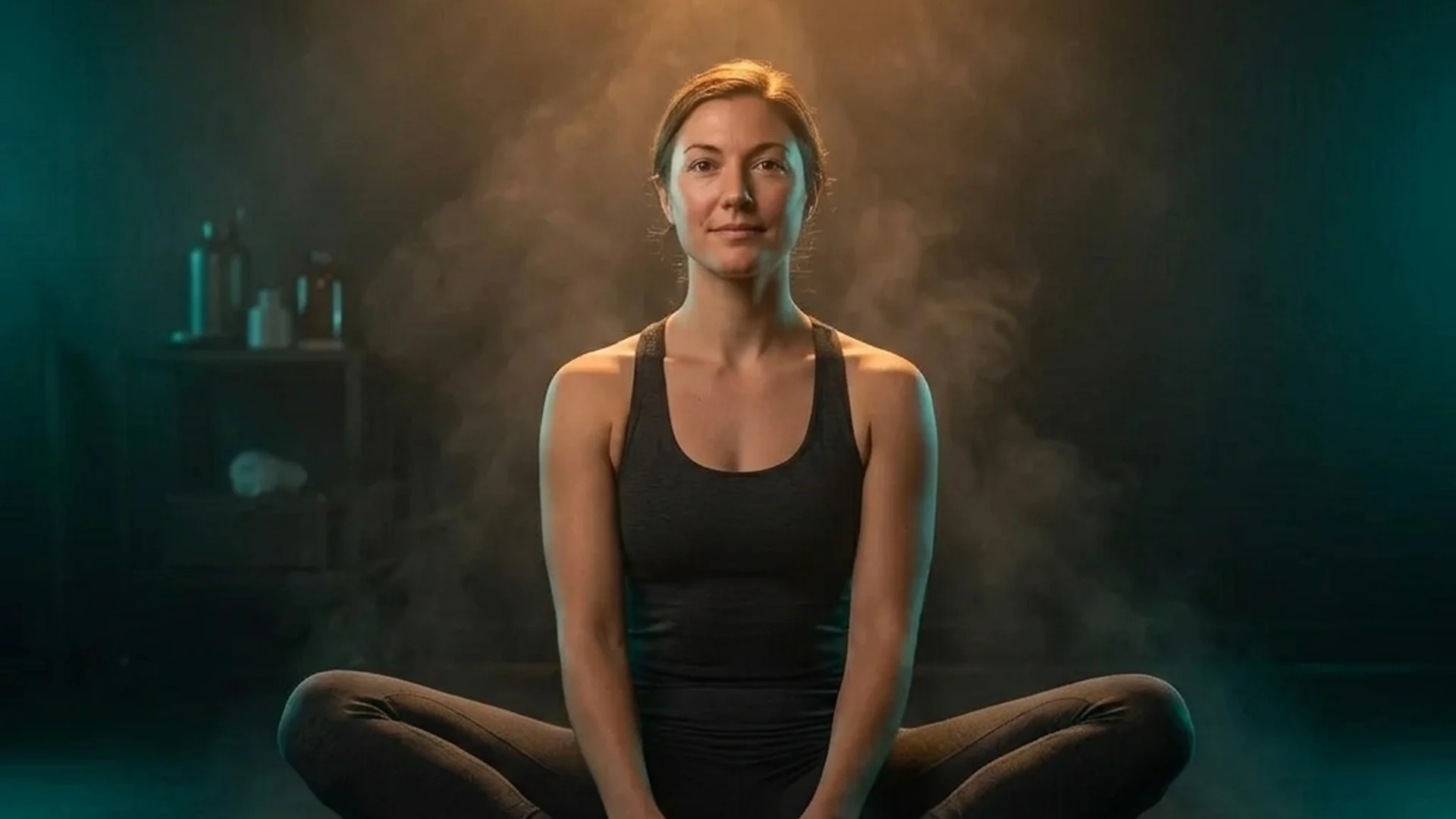
Fertility Support
Nurture the foundation.
Important: R1SE services are complementary wellness support, not medical treatment. Always consult your healthcare provider before starting any new programme, especially if you are under active medical care.
The fertility journey can be physically and emotionally exhausting. At R1SE Sheffield, we offer therapies that support reproductive health, reduce the stress that impairs conception, and help your body create the optimal environment for fertility - whether you are trying naturally or alongside IVF.
Fertility is multi-factorial, and increasingly the research focuses on biological levers we can actually influence: oocyte mitochondrial quality (which declines with age and oxidative stress), endometrial receptivity (governed by uterine blood flow and growth-factor signalling), hormonal rhythms (sensitive to stress, sleep and inflammation), and sperm parameters (which respond dramatically to heat, oxidative stress and exercise patterns). A 2018 Harvard-led analysis concluded lifestyle interventions can improve fertility outcomes by 20-40% - comparable to some clinical interventions. At R1SE we support both partners with therapies that target mitochondrial health (Red Light, HBOT), endometrial and pelvic blood flow (compression, gentle yoga, HBOT), and the cortisol-HPG axis disruption that chronic fertility stress creates. None of this replaces your fertility clinic's protocol - but it addresses exactly the lifestyle factors your consultant is likely already encouraging.
Your Multi-Therapy Plan
How R1SE Can Help
The Science
Evidence-based insights supporting our approach.
A Harvard Medical School mind-body fertility programme (Domar et al., 2011, Fertility and Sterility) reported significantly higher pregnancy rates (52% vs 20%) and live-birth rates in women who participated in a 10-week mind-body programme (including yoga) compared to controls.
HBOT has been shown to increase endometrial thickness and improve perfusion in women with thin endometrium (a common cause of implantation failure) - a 2019 Egyptian study (Abolghasemi et al.) reported significant improvements after 20 HBOT sessions at 2.0 ATA.
Red/near-infrared photobiomodulation at 830nm improved oocyte quality, embryo quality and clinical pregnancy rates in a Japanese fertility clinic retrospective study (Ohshiro, 2012, Laser Therapy) - with particular benefit in women over 35.
Chronic stress impairs the hypothalamic-pituitary-gonadal (HPG) axis by suppressing GnRH pulsatility, which in turn blunts LH and FSH release (Whirledge & Cidlowski, 2010). Yoga, mindfulness and breathwork directly counteract this via cortisol reduction and parasympathetic activation.
Male fertility is equally responsive: sperm quality is temperature-sensitive (which is why saunas and hot tubs are typically discouraged when trying to conceive), oxidative-stress-sensitive (where Red Light helps), and exercise-responsive (moderate exercise improves parameters; excessive improves nothing and may worsen them). A balanced protocol supports both partners.
Moderate exercise reduces miscarriage risk and improves IVF outcomes (Rao et al., 2018, Human Reproduction Update). The inverse is also true - sedentary behaviour and chronic over-exercising both impair fertility. R1SE's moderate-intensity programming sits in the sweet spot.
Common Questions
Loading form...
You May Also Be Interested In
Ready to Start?
Whether you want to book a session, explore our recovery therapies, or speak to someone about a personalised plan - we are here for you.